
How to Become a Landlord in San Antonio: A First-Timer's Playbook
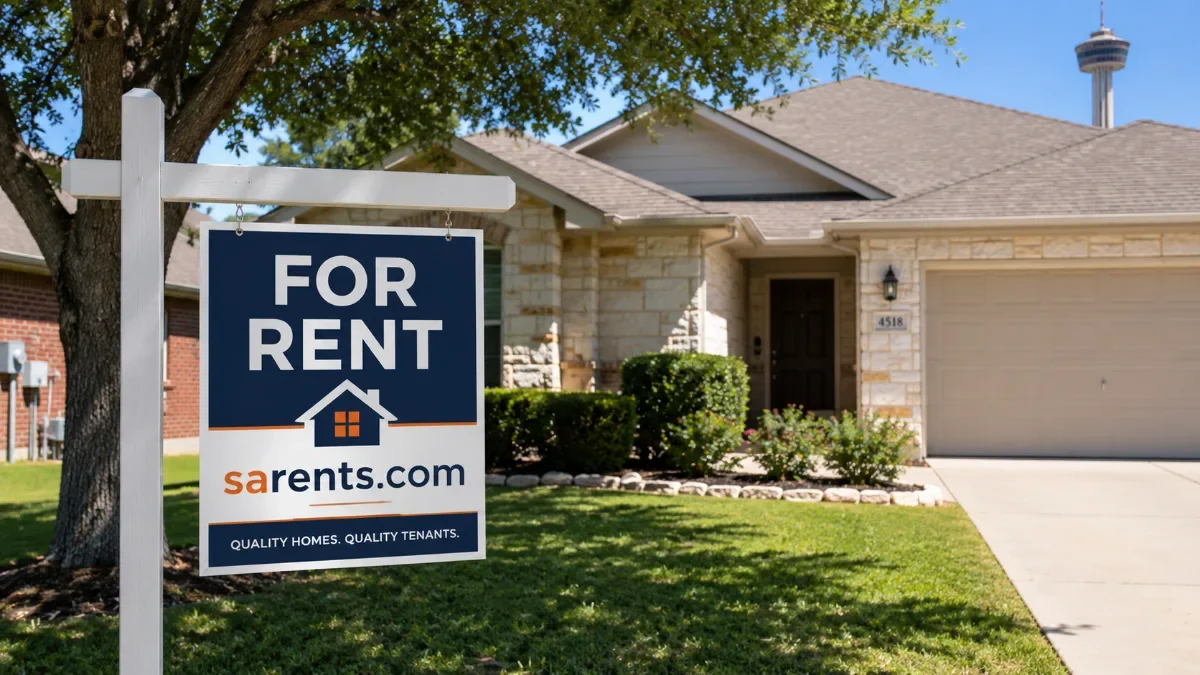
Maybe you inherited a house, got relocated for work, or simply see rental income as a smart long-term play. Whatever the reason, turning a San Antonio property into a rental is one of the most reliable ways to build wealth in Texas - if you go in with a plan. Done casually, it's how first-timers end up with a problem tenant, a Chapter 92 dispute, and months of lost rent.
This playbook walks a first-time San Antonio landlord through the whole path: running the numbers, getting the property and paperwork right, staying legal under Texas law, finding a great tenant, and deciding how hands-on you want to be.
This is general educational information for prospective Texas landlords, not legal or financial advice. Confirm specifics with a Texas attorney, tax professional, or licensed property manager.
Step 1: Run the numbers before anything else
Before you paint a wall or list a photo, find out whether this actually makes money. The most common first-timer mistake is assuming that if rent covers the mortgage, you're profitable. You're not - the mortgage is only one line.
Build a real monthly picture: mortgage principal and interest, property taxes (Bexar County rates matter here), landlord insurance, an allowance for maintenance and repairs, a vacancy reserve for the weeks between tenants, and management costs if you hire out. Subtract all of that from realistic market rent. What's left is your true cash flow.
To price rent honestly, look at what comparable homes in your specific San Antonio neighborhood are actually renting for - not what you wish you could charge. Our San Antonio rental market report breaks down current rent trends across the metro so you can benchmark before you list.
First-timers forget vacancy and maintenance. A good rule of thumb: set aside roughly one month of rent per year for maintenance and another for vacancy. If the deal only works with zero surprises, it doesn't really work.
Step 2: Get the property rent-ready
A well-prepared property rents faster, attracts better tenants, and prevents disputes later. Handle safety and habitability first - working smoke and carbon monoxide detectors, functional locks, no plumbing or electrical hazards, and, critically for San Antonio, air conditioning that actually holds up to a Texas summer.
Then document everything with a detailed move-in condition report. Photograph every room before the tenant takes possession. This baseline is what protects your security deposit deductions down the road; our 2026 rental inspection checklist gives you a room-by-room template to work from.
Step 3: Handle the Texas legal setup
Good news for first-timers: Texas does not require a license to rent out your own property. But "no license" doesn't mean "no rules." You are stepping into a body of law you're now responsible for.
The essentials:
- A solid Texas lease. Use a lease written for Texas that covers rent, deposit, late fees, maintenance responsibilities, and entry rights. A weak or generic lease is where disputes start.
- Texas Property Code Chapter 92. This governs repairs, security deposits, and tenant remedies. Know your repair duties and the 30-day deadline to return a deposit with itemized deductions.
- Fair Housing compliance. Federal law bars discrimination based on race, color, national origin, religion, sex, familial status, or disability. This shapes how you advertise, screen, and communicate.
- Assistance animal rules. Emotional support and service animals are treated differently from pets under fair housing law - get this right before you write a no-pets clause. Our guide to Texas emotional support animal housing laws covers what you can and can't do.
- Proper insurance. Swap a standard homeowner's policy for a landlord (dwelling) policy, and require tenants to carry renter's insurance.
Step 4: Market the property and screen tenants
With the home ready and paperwork in place, it's time to fill it - carefully. Take bright, honest photos, write a listing that highlights real features and the neighborhood, and price to the market you researched in Step 1.
Then screen every applicant against consistent, written criteria: verified income (the San Antonio norm is about three times the rent), credit history, background and eviction checks, and prior-landlord references. This is the single highest-leverage thing a landlord does. One thorough screen prevents the missed rent, damage, and eviction headaches that sink first-timers.
Step 5: Manage the tenancy like a professional
Getting a tenant in is the start, not the finish. Ongoing landlording means collecting rent on a clear schedule, responding to maintenance requests promptly (especially urgent ones like AC failures in summer), respecting the tenant's right to quiet enjoyment and proper notice before entry, and keeping clean records of every payment and communication.
Handle the money side deliberately. Keep the security deposit separate, document any deductions with photos and receipts, and return what's owed within the Texas 30-day window. Sloppy deposit handling is one of the most common ways new landlords end up in small-claims court.
Texas gives you 30 days to return a deposit with an itemized list of deductions. Miss it or fail to document, and you can be liable for the deposit plus penalties. Treat every date and every record as if you'll have to defend it later - because you might.
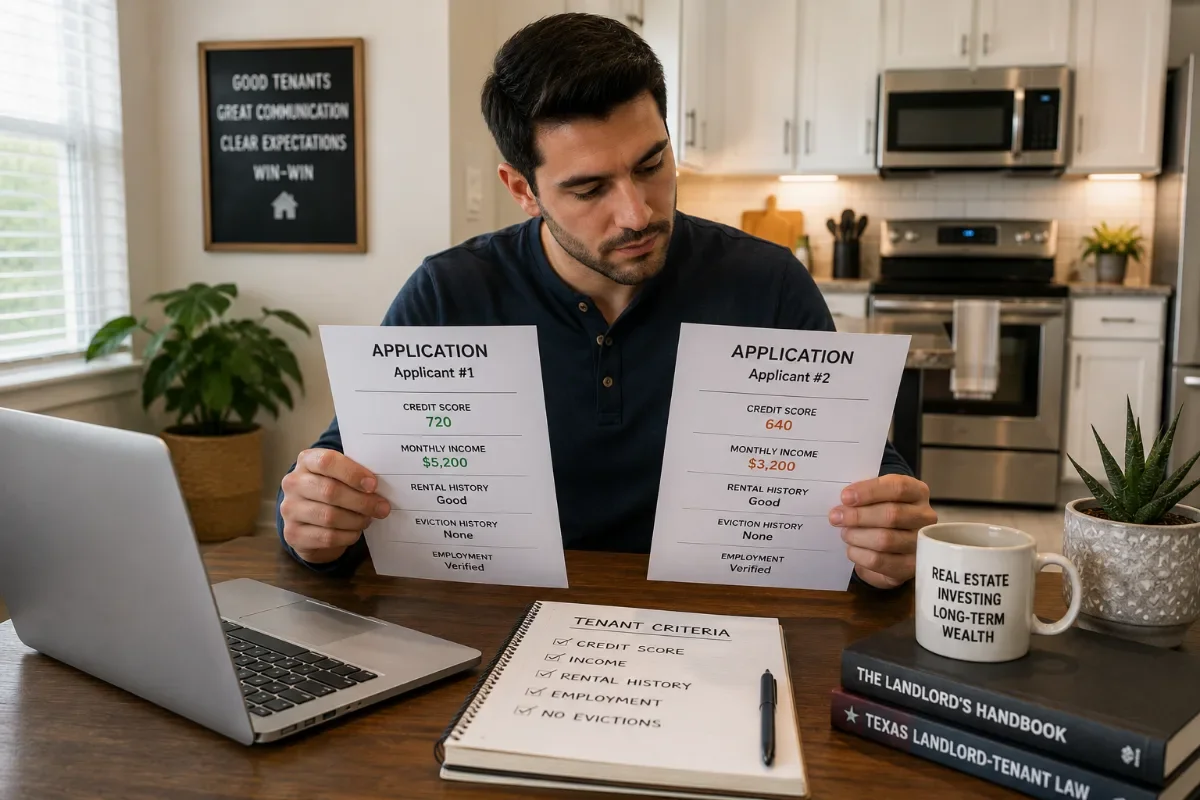
Step 6: Decide how hands-on you want to be
Here's the honest question every first-time landlord eventually faces: do you want a rental property, or a second job? Self-managing works well if you live nearby, have time, enjoy the work, and are comfortable learning Texas law. But midnight maintenance calls, tenant turnover, chasing late rent, and staying compliant add up fast - especially with your first property.
A property manager takes the operational load off your plate: marketing, compliant screening, leasing, rent collection, maintenance coordination, and legal compliance, typically for around 8-10% of monthly rent plus a leasing fee. For an out-of-town owner or a busy first-timer, that's often the difference between a smooth investment and a stressful one.
The bottom line
Becoming a San Antonio landlord is very doable - the owners who thrive are simply the ones who treat it like a business from day one. Run the numbers honestly, prepare the property, get the legal and insurance basics right, screen tenants rigorously, and manage the tenancy with clean records. Get those fundamentals right and your first rental can be the start of a real portfolio.
From pricing and marketing to screening, leasing, and maintenance, SA Rents manages San Antonio rentals so first-time owners can earn without the second job. Reach out for a free, no-pressure consultation.
Frequently Asked Questions
Do I need a license to be a landlord in Texas?
No. Texas does not require a license to rent out your own property. You do have to follow landlord-tenant law under Texas Property Code Chapter 92, Fair Housing rules, and any City of San Antonio requirements - and you'll want the right insurance and lease in place.
Is renting out a house in San Antonio profitable?
It can be, but the math has to work. Add up your mortgage, taxes, insurance, maintenance, vacancy, and management costs, then compare that to realistic local rent. Positive cash flow plus long-term appreciation and loan paydown is the goal - not just covering the mortgage.
What are a landlord's main responsibilities in Texas?
Provide a habitable property, make diligent-effort repairs to health-and-safety conditions after proper notice, handle security deposits and return them within 30 days with an itemized list of deductions, respect tenant privacy, and follow Fair Housing and lease terms.
How much should I charge for rent in San Antonio?
Price to the local market, not to your mortgage. Look at comparable rentals in your specific neighborhood, factor in the home's condition and amenities, and check current San Antonio rent benchmarks. Overpricing leads to costly vacancy; underpricing leaves money on the table.
Should a first-time landlord hire a property manager?
Many do. A manager handles marketing, screening, leasing, rent collection, maintenance, and legal compliance - valuable if you're out of town, short on time, or new to Texas landlord law. Typical fees run around 8-10% of monthly rent plus a leasing fee.
Thank you!
We got your information and someone from our team will reach out shortly.
